When the Big Game Congests the Chain: Timing Your On-Chain Bets Around Peak-Hour Gas
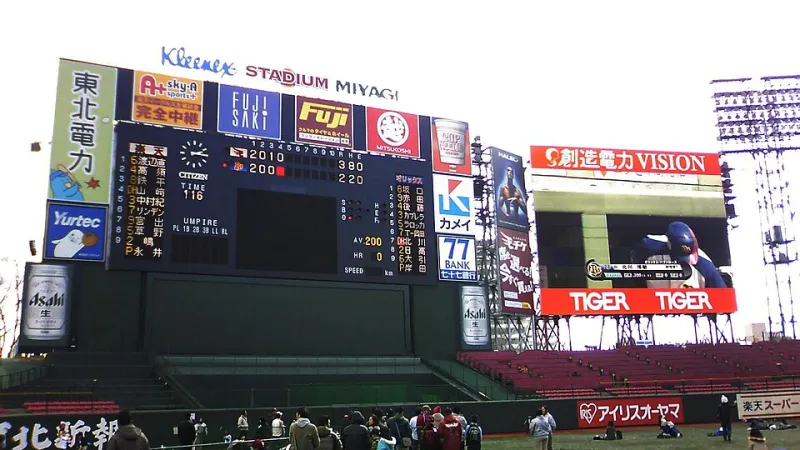
Photo: 広瀬川, Public domain, via Wikimedia Commons
Every major sporting event creates the same ritual on-chain: millions of bettors, all with the same idea, all trying to get their wagers in during the same ninety-minute window. The result is predictable. Gas fees spike, transactions stall in the mempool, and some bets fail entirely — sometimes after you've already paid the fee.
If you've ever watched a "place bet" button spin while the two-minute warning approaches, you already understand the problem. Let's break down why it happens and how to bet around it.
The Anatomy of a Congestion Spike
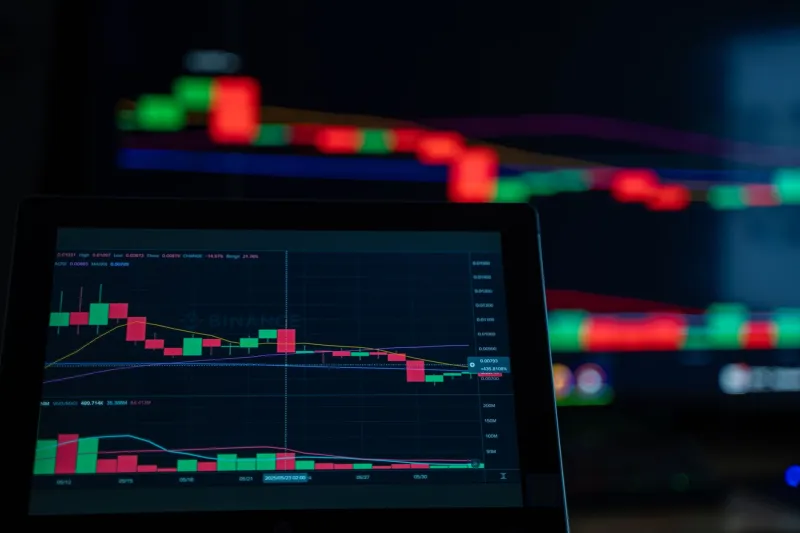
Blockchains like Ethereum process a limited amount of activity per block. When demand exceeds that capacity, users bid against each other for inclusion — that's the gas auction in plain terms. During ordinary hours on Ethereum mainnet, a simple transaction might cost a few dollars. During peak demand, that same transaction can cost ten, twenty, even fifty dollars, depending on how badly everyone else wants in.
And it's not just fees. Congestion delays confirmations, which matters enormously in live betting where odds shift by the second. Worse, if you set your gas limit too low during a spike, your transaction can fail — and on most networks, failed transactions still burn gas. You paid to do nothing.
The Big Game Effect
The pattern around marquee events is well documented. During the 2024 Super Bowl, activity on major prediction markets and on-chain sportsbooks surged so sharply that some platforms saw failed transaction rates jump into double digits in the final hour before kickoff. Gas prices on mainnet routinely spiked five to ten times their overnight baseline during playoff weekends and title fights.
The cruel irony: the moments when you most want to act — breaking injury news, a line that hasn't moved yet, a live-betting angle — are precisely the moments when the network is most expensive and least reliable. Casual bettors consistently overpay at exactly the wrong time.
Five Timing Tactics That Actually Work
1. Bet the night before, not the morning of. Lines rarely move dramatically overnight on non-injury news, but gas fees at 11 p.m. ET on a Friday are a fraction of Sunday afternoon's. If you've done your research, lock in early.
2. Use Layer 2 networks for anything time-sensitive. Arbitrum, Base, Optimism, and similar networks settle on Ethereum but cost cents per transaction and confirm in seconds. Most major decentralized betting platforms now support at least one L2 — if yours does, there's rarely a good reason to bet on mainnet during peak hours.
3. Set gas limits with headroom. If you must transact during congestion, don't lowball the gas limit to save pennies. A failed transaction during the Super Bowl isn't a savings; it's a donation.
4. Batch your bets. Instead of placing five separate transactions across an afternoon, consolidate. Fewer transactions means fewer fee events and less exposure to spikes.
5. Watch the mempool, not the clock. Free tools and block explorer dashboards show pending network activity in real time. If you see a surge building — say, right after a big commercial breaks and casual money floods in — waiting two minutes can halve your cost.
The Live-Betting Exception
There's one honest counterargument: live betting demands immediacy, and sometimes you genuinely can't wait. That's fine — just be deliberate about it. Know your platform's fee structure in advance, keep your L2 balance topped up so you're never forced onto mainnet in a panic, and treat the peak-hour premium as part of the cost of the bet itself. If a live wager needs $15 of gas to capture $40 of expected edge, do the math before you sign.
The Bottom Line
Network congestion is a tax on the unprepared. The bettors who consistently get good fills on-chain aren't luckier — they've simply internalized that when you transact matters as much as what you bet. Do your research early, execute on cheap networks during quiet hours, and save the expensive, congested moments for bets that genuinely justify them.
The big game will always clog the pipes. Your job is to not be standing in line when it does.