The Bankroll Firewall: Building a Wallet System That Doesn't Gamble With Your Gambling Money
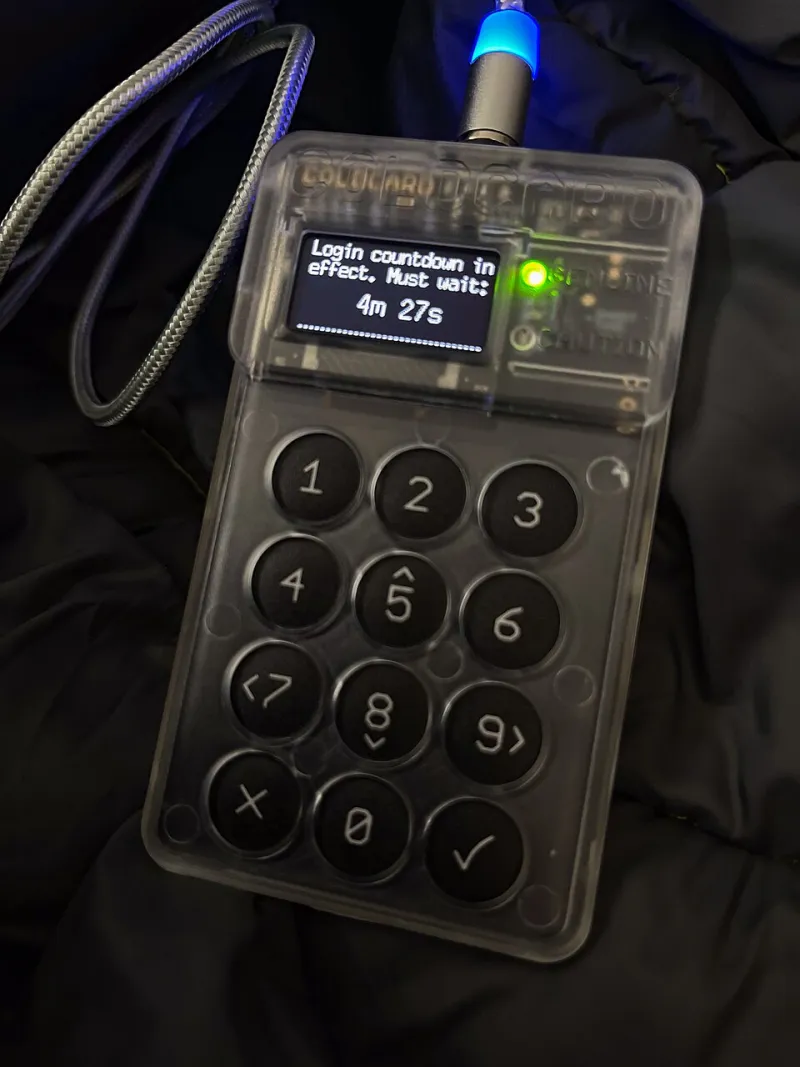
Photo: Tony Webster, CC BY 2.0, via Wikimedia Commons
Ask a room full of crypto bettors where they keep their funds and you'll get one of two answers: a hardware wallet they never move, or a MetaMask extension holding their entire bankroll next to a dozen signed approvals from random dApps. Both are wrong, and both are how people lose money they never actually wagered.
The truth is that wallet hygiene for on-chain betting isn't a binary choice between paranoid cold storage and reckless convenience. It's a system. And like any good system, it's built in tiers.
Why the Browser Wallet Is a Leaky Vault
Hot wallets — browser extensions and mobile apps where you control the keys but the wallet touches the internet constantly — are the default for most US bettors, and for good reason. They're fast, they connect to every decentralized sportsbook and prediction market, and signing a bet takes seconds.
But that same connectivity is the vulnerability. Every approval you sign is a door you've opened. Every malicious contract interaction — a fake airdrop, a spoofed betting site, a drainer buried in a Discord link — targets the funds sitting in that exact wallet. The 2022 and 2023 cycles were littered with bettors who kept five figures in a hot wallet because it was "easier," then watched a single bad signature sweep it all.
Convenience isn't free. You're just paying the fee in a currency you can't see: attack surface.
Tier One: The Hot Wallet Is a Checking Account, Not a Bank
Think of your hot wallet the way you'd think about the cash in your pocket at a sportsbook in Vegas. It's what you're willing to lose to a pickpocket without it ruining your month.
Practically, that means your hot wallet should hold one to two weeks' worth of typical betting activity. If you usually stake $50 across a weekend slate, keep a few hundred dollars there — in stablecoins, ideally, so a market dip doesn't shrink your bankroll while it sits. Everything else lives elsewhere.
Two rules make this tier survivable:
- Never reuse your main wallet. Create a dedicated betting wallet, separate from the one holding your long-term crypto. If a betting platform gets exploited or a contract turns hostile, the damage stops at that boundary.
- Audit your approvals monthly. Tools like Revoke.cash let you see and kill old token approvals. A smart bettor cleans house the way they'd check their credit card statement.
Tier Two: Hardware Wallets for the Money That Matters
A hardware wallet — Ledger, Trezor, or a comparable device — keeps your private keys offline even while you sign transactions online. For a bettor, this is where your actual bankroll lives: the reserves you top up your hot wallet from, not the funds you're actively wagering.
A good rule of thumb: the hardware wallet holds 70 to 80 percent of your total betting capital. When you win big or want to reload, you move funds down to the hot wallet in small chunks. When you lose, you don't reflexively drain the cold wallet mid-tilt — that friction is a feature, not a bug. Making yourself wait twelve hours before reloading is one of the cheapest bankroll-protection tools ever invented.
Tier Three: Multisig and Smart Contract Wallets for the Serious Player
If you're running a meaningful bankroll — think five figures or more, or you're part of a betting DAO or pool — a multisignature setup changes the math entirely. Requiring two or three keys to move funds means a single compromised device or phishing signature can't empty the vault.
Smart contract wallets like Safe take this further with spending limits and role-based access. The tradeoff is real: transactions cost more, setup takes an afternoon, and emergency withdrawals are slower. But for funds you genuinely can't afford to lose, that's the price of a vault versus a drawer.
Three Bettors Who Got It Wrong
The patterns repeat so often they're practically archetypes.
There's the maximalist who kept everything in one hot wallet for simplicity — until a drainer contract he signed on a lookalike betting site took the whole thing, including the crypto that had nothing to do with betting.
There's the tilt reloader who kept his full bankroll on an exchange-linked hot wallet so he could "react fast." He reacted fast, all right — chasing losses at 2 a.m. until the account hit zero. No hack required. Self-custody doesn't protect you from yourself.
And there's the paranoid hoarder whose funds were perfectly safe on a hardware wallet — so safe, in fact, that he lost the seed phrase in a move between apartments. Security without recovery planning is just a slower way to lose.
The Setup Worth Copying
If you want a starting template: dedicated hot wallet with one to two weeks of stake money in stablecoins; hardware wallet holding the bulk of the bankroll, with a written recovery plan stored somewhere fireproof and separate from the device; and a multisig only if your bankroll or your betting partners justify the overhead.
None of this makes you immune. But it converts a single point of failure into a series of speed bumps — and in a space where one signed transaction can end your year, speed bumps are the best odds you'll get anywhere on the chain.